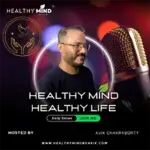
Healthy Mind, Healthy Life
Andrew and Avik talk recovery, healing, and curriculum
In this episode of Healthy Mind, Healthy Life, I talk with host Avik Chakraborty about the reality of transformation, the process of addiction recovery, and how A Vision of Hope was born behind prison walls. I share how I began writing my memoir while incarcerated — at a point in my life when I had lost everything, including my gratitude — and how that creative process became the beginning of healing. What started as a memoir evolved into Reflections and later the A Vision of Hope Workbook, now forming a complete 90-day recovery curriculum that I’m filming to offer through Skool.

We discuss how the first step of change often begins with awareness, and how I learned through my own relapse that losing gratitude leads to losing direction. My overdose became the wake-up call that forced me to look inward. In those six to eight months in prison, writing became my therapy. I couldn’t grieve my grandfather’s death while I was inside, but through the act of writing, I found a way to honor him and to heal. It showed me how pain can promote growth and how meaning can emerge even from the most devastating circumstances.

A major focus of our conversation is trauma healing — how unprocessed pain doesn’t disappear; it hides. Many people think they’ve healed when they’ve simply scarred over. Those scars resurface in other ways — through anger, defensiveness, or fear. I shared an example of how growing up in a tough neighborhood teaches survival, but if that identity isn’t released, it can follow you into adulthood. Without reflection, it can cost you jobs, relationships, and peace. True healing begins with analysis and accountability — understanding why we do what we do and what influences our choices.

We also explore how intentional living can fade when life gets hard. It’s easier to stay the same than to risk change, but staying the same keeps us stuck. Many people stop at healing instead of stepping into purpose. Healing is not the destination; it’s the launchpad. Once you heal, clarity follows — and from that clarity comes purpose. Living intentionally means identifying what’s not working, defining what fulfillment looks like, and taking daily action toward that vision.

During the episode, we discuss resilience as a learned skill, not a fixed trait. Resilience is built by showing up every day, facing discomfort, and holding your vision even when life pushes back. I opened up about my five-and-a-half-year relationship with Caroline — how we were engaged, how she took her own life, and how her loss became a defining moment in my journey. There’s no better way to honor her memory than to help others find meaning through their pain. Our wounds become our armor when we stop hiding them. Once our secrets come to light, they lose their power.

We move into the broader conversation of addiction recovery as a universal human experience. It’s not just about drugs or alcohol; it’s about learning to let go of what’s no longer serving us. Labeling recovery as universal removes stigma and reminds us we’re all healing from something. There’s no shame in asking for help — we are all interdependent. In fact, studies show that people isolated in prison cells for long periods experience the same neurological impact as those with repeated concussions. Connection is medicine. We can’t heal in isolation.

I also shared the story of my first encounter with addiction — the first time I used OxyContin and instantly felt as though I could finally breathe after years of holding it in. The brain treats the drug as essential to survival. It becomes as natural as oxygen. That’s why treating addiction as a moral or criminal issue is misguided. The public narrative frames addiction as a choice, but it’s a health issue, not a crime. Incarcerating addicts sets them further back — they return to society with fewer resources, more stigma, and deeper trauma. Addiction treatment should be seen through the lens of mental health and public health, not punishment.

Through A Vision of Hope and the Reflections companion book, I advocate for changing how we view recovery and policy. My goal isn’t to push my opinions — it’s to start real conversations about real solutions. Public policy is shaped by public perception, and we all share the responsibility to demand change. Gerrymandering and political division have fractured our sense of unity, but no problem is insurmountable when we approach it with empathy and intention. Society changes when people demand accountability and vote for leaders who reflect our values.

Ultimately, this episode is about personal growth — the evolution that happens when pain is transformed into purpose. We talk about adaptability, mindset, and courage. Life will test you, but every challenge is an opportunity to expand. Give life everything you have so that when you look back, you have no regrets. When you find something that lights your soul on fire, don’t hesitate — jump. That leap of faith may be uncomfortable, but it’s the bridge between surviving and truly living.


Resources & Links

Internal Links (A Vision of Hope Media)

External Links (Authority Sources)

Episode timeline

  • 00:00 Meet Andrew Drasen: Author, Survivor, and Changemaker
  • 00:00 Introducing Andrew Drasen + Trilogy Overview
  • 00:00 How the Memoir Began in Jail
  • 00:00 Reflections and Workbook: Wisdom → Practice
  • 00:00 Curriculum + SKOOL Community Vision
  • 00:00 Was Writing Survival or Transformation?
  • 00:00 Gratitude Loss → Relapse → Overdose → Jail
  • 00:00 Writing 4–6 Hours a Day for Six Months
  • 00:00 Pain Promotes Growth: Why Friction Creates Change
  • 00:00 Living Intentionally vs. Surviving Comfortably
  • 00:00 Identity Restoration + Cognitive Restructuring
  • 00:00 Why Many People Stop at Healing
  • 00:00 Rediscovering Identity: Practical Examples
  • 00:00 Healing as Launchpad → Purpose and Service
  • 00:00 What Recovery Looks Like for “People Who Haven’t Struggled”
  • 00:00 Why Universalizing Recovery Reduces Stigma
  • 00:00 The Danger of Isolation + Psychological Damage
  • 00:00 Transforming Pain into Purpose (Fiancée’s Death)
  • 00:00 Turning Wounds Into Armor
  • 00:00 Reframing the Public Narrative on Addiction
  • 00:00 Why the System Fails + Needed Policy Change
  • 00:00 How the Trilogy + Curriculum Drive Real Change
  • 00:00 Listeners’ Takeaway: No Problem Is Insurmountable
  • 00:00 Where to Find Andrew + Final Thoughts
  • 00:00 Host Closing Message + Outro

Leave a Reply

Your email address will not be published. Required fields are marked *

Title
.
Healthy Mind, Healthy Life
Andrew and Avik talk recovery, healing, and curriculum
In this episode of Healthy Mind, Healthy Life, I talk with host Avik Chakraborty about the reality of transformation, the process of addiction recovery, and how A Vision of Hope was born behind prison walls. I share how I began writing my memoir while incarcerated — at a point in my life when I had lost everything, including my gratitude — and how that creative process became the beginning of healing. What started as a memoir evolved into Reflections and later the A Vision of Hope Workbook, now forming a complete 90-day recovery curriculum that I’m filming to offer through Skool.

We discuss how the first step of change often begins with awareness, and how I learned through my own relapse that losing gratitude leads to losing direction. My overdose became the wake-up call that forced me to look inward. In those six to eight months in prison, writing became my therapy. I couldn’t grieve my grandfather’s death while I was inside, but through the act of writing, I found a way to honor him and to heal. It showed me how pain can promote growth and how meaning can emerge even from the most devastating circumstances.

A major focus of our conversation is trauma healing — how unprocessed pain doesn’t disappear; it hides. Many people think they’ve healed when they’ve simply scarred over. Those scars resurface in other ways — through anger, defensiveness, or fear. I shared an example of how growing up in a tough neighborhood teaches survival, but if that identity isn’t released, it can follow you into adulthood. Without reflection, it can cost you jobs, relationships, and peace. True healing begins with analysis and accountability — understanding why we do what we do and what influences our choices.

We also explore how intentional living can fade when life gets hard. It’s easier to stay the same than to risk change, but staying the same keeps us stuck. Many people stop at healing instead of stepping into purpose. Healing is not the destination; it’s the launchpad. Once you heal, clarity follows — and from that clarity comes purpose. Living intentionally means identifying what’s not working, defining what fulfillment looks like, and taking daily action toward that vision.

During the episode, we discuss resilience as a learned skill, not a fixed trait. Resilience is built by showing up every day, facing discomfort, and holding your vision even when life pushes back. I opened up about my five-and-a-half-year relationship with Caroline — how we were engaged, how she took her own life, and how her loss became a defining moment in my journey. There’s no better way to honor her memory than to help others find meaning through their pain. Our wounds become our armor when we stop hiding them. Once our secrets come to light, they lose their power.

We move into the broader conversation of addiction recovery as a universal human experience. It’s not just about drugs or alcohol; it’s about learning to let go of what’s no longer serving us. Labeling recovery as universal removes stigma and reminds us we’re all healing from something. There’s no shame in asking for help — we are all interdependent. In fact, studies show that people isolated in prison cells for long periods experience the same neurological impact as those with repeated concussions. Connection is medicine. We can’t heal in isolation.

I also shared the story of my first encounter with addiction — the first time I used OxyContin and instantly felt as though I could finally breathe after years of holding it in. The brain treats the drug as essential to survival. It becomes as natural as oxygen. That’s why treating addiction as a moral or criminal issue is misguided. The public narrative frames addiction as a choice, but it’s a health issue, not a crime. Incarcerating addicts sets them further back — they return to society with fewer resources, more stigma, and deeper trauma. Addiction treatment should be seen through the lens of mental health and public health, not punishment.

Through A Vision of Hope and the Reflections companion book, I advocate for changing how we view recovery and policy. My goal isn’t to push my opinions — it’s to start real conversations about real solutions. Public policy is shaped by public perception, and we all share the responsibility to demand change. Gerrymandering and political division have fractured our sense of unity, but no problem is insurmountable when we approach it with empathy and intention. Society changes when people demand accountability and vote for leaders who reflect our values.

Ultimately, this episode is about personal growth — the evolution that happens when pain is transformed into purpose. We talk about adaptability, mindset, and courage. Life will test you, but every challenge is an opportunity to expand. Give life everything you have so that when you look back, you have no regrets. When you find something that lights your soul on fire, don’t hesitate — jump. That leap of faith may be uncomfortable, but it’s the bridge between surviving and truly living.


Resources & Links

Internal Links (A Vision of Hope Media)

External Links (Authority Sources)